
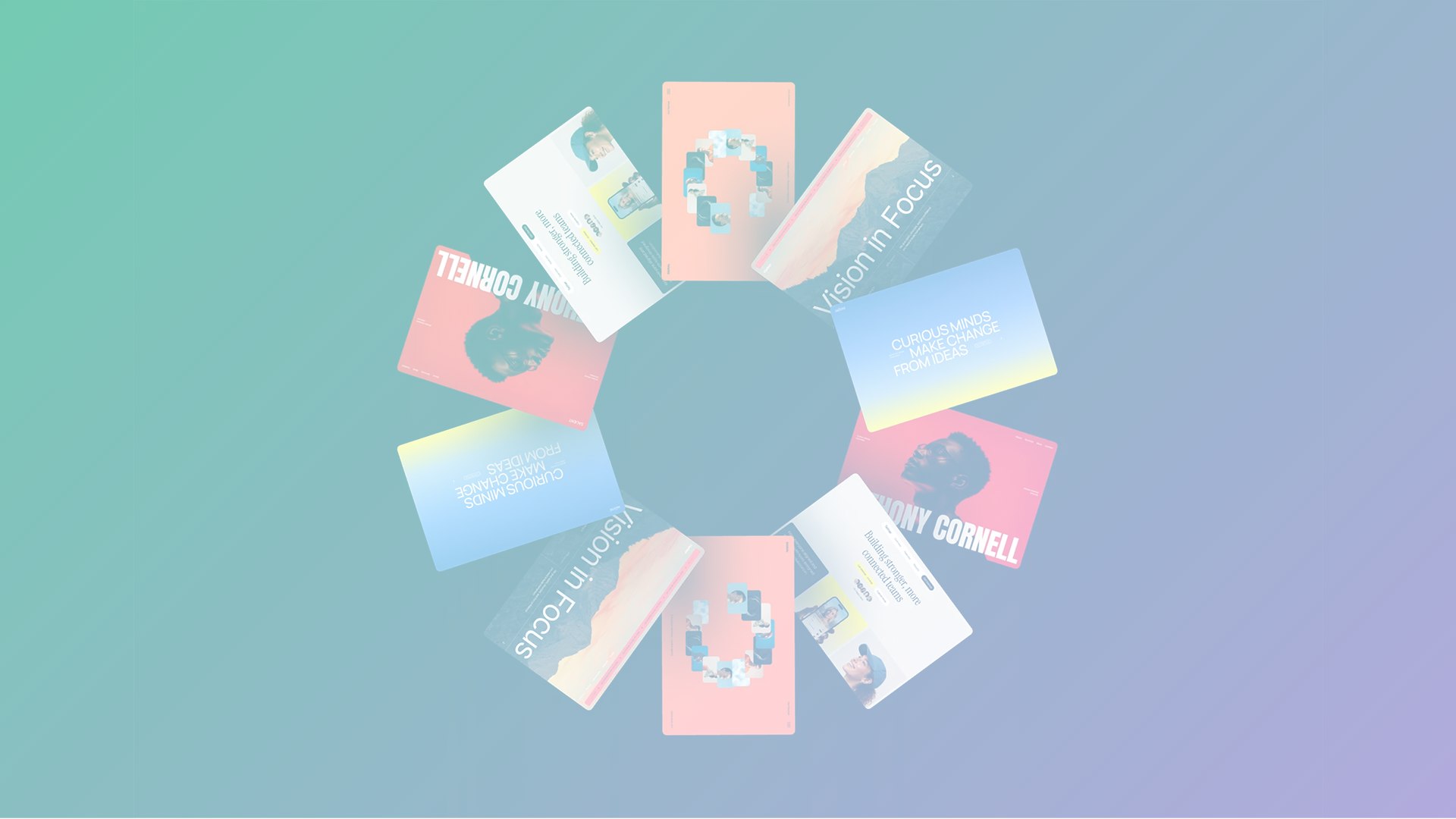
The digital landscape continues to evolve rapidly, and website design trends are at the forefront of how businesses communicate value, engage visitors, and convert traffic into loyal customers. In 2026, web design is no longer just about aesthetics—it’s about creating fast, functional, personalised, and accessible online experiences that satisfy both human users and search engines. In this comprehensive guide, we’ll explore the top trends shaping modern web design, why they matter, and how you can apply them to your projects.
Why Website Design Trends Matter
Website design is more than visual beauty. It directly influences user experience (UX), engagement, conversions, and search engine optimisation (SEO). Sites that ignore evolving web design standards risk higher bounce rates, lower visibility in search results, and less engagement from visitors. Modern design trends integrate UX, performance, interactivity, and accessibility into one cohesive system that aligns with how users browse the web in 2026 and beyond.
1. Minimalism With Purpose: Clean & Content‑Focused Layouts
Minimalism isn’t a trend that’s fading; it’s evolving. In 2026, minimalism is defined not by absence but by intentional simplicity. Designers are stripping away unnecessary clutter and focusing on clarity, whitespace, and content hierarchy that guide users directly toward key actions. Clean interfaces improve readability, site speed, and overall usability—three critical factors for both conversions and SEO.
Brand messaging becomes sharper when distractions are removed. Bold typography, strategic spacing, and minimal colour palettes help users quickly identify value propositions and call‑to‑action buttons. A minimalist approach is also beneficial for mobile performance, as simpler layouts load faster and adapt more easily to different screen sizes.
2. AI‑Driven Personalisation and Adaptive UX
One of the most transformative trends in website design for 2026 is AI‑powered personalisation. Sites now adapt dynamically to user behaviour, location, device type, and browsing history. Rather than showing the same layout to every visitor, AI systems can reorder content blocks, offer personalised recommendations, and tailor navigation paths to individual users.
This trend extends to:
- Customized product recommendations.
- Adaptive navigation menus based on past interactions.
- Dynamic content that reflects user intent.
AI‑enhanced design doesn’t just improve user experience; it can also boost engagement and conversion rates by making content more relevant and intuitive.
3. Motion, Micro‑Interactions & Immersive UI
Static websites are being replaced by interactive experiences. Motion design, micro‑interactions, and subtle transitions are now essential elements in modern web design. These effects create engagement without overwhelming visitors. They act as visual cues that reinforce usability, guide user behaviour, and add a layer of personality to interfaces.
Examples include:
- Hover animations on buttons.
- Scroll‑triggered content reveals.
- Micro‑feedback on form interactions.
These enhancements contribute to a smoother user journey and help tell your brand’s story more effectively.
4. Accessibility by Default
In 2026, accessibility is no longer optional—it’s expected. Human‑centred web design prioritises inclusive experiences that accommodate users with diverse abilities. Accessibility features—such as high‑contrast text, keyboard‑friendly navigation, screen reader‑optimized structure, and clear focus indicators—are now baseline requirements for ethical and effective design.
Websites built with accessibility in mind not only broaden their potential audience but also earn trust and improve SEO performance. Accessible sites tend to be more semantically structured and compliant with accessibility standards like WCAG, which enhances machine readability and search engine indexing.
5. Dark Mode & Low‑Light UI Options
Offering a dark mode option has moved beyond novelty and become a standard expectation. Dark UI designs reduce eye strain in low‑light conditions and give websites a modern, premium feel. This trend enhances comfort for users and provides flexibility in visual design choices.
From a performance perspective, dark mode can also reduce battery consumption on OLED screens, reinforcing both user satisfaction and ethical design practices.
6. Performance‑First & Sustainable Design
Performance is now inseparable from design quality. Modern websites are expected to load quickly, respond instantly, and maintain visual stability across devices. Google’s Core Web Vitals metrics—such as largest contentful paint (LCP), visual stability (CLS), and interaction responsiveness (INP)—guide how sites are evaluated for search rankings.
Design teams increasingly optimise:
- Images using WebP or AVIF formats.
- Lightweight CSS and JavaScript.
- Efficient font loading strategies.
- Server‑side performance improvements.
A performance‑first approach improves user retention, engagement, and SEO rankings.
7. Bold Typography and Visual Identity
Typography isn’t just about legibility—it’s a central visual element that shapes brand identity. In 2026, designers are using bold, expressive typography to establish hierarchy, draw attention, and emphasize key messaging. When paired with minimalistic layouts, impactful type helps users quickly scan and digest content while enhancing aesthetic appeal.
Typography works hand‑in‑hand with colour systems, spacing, and layout to maintain consistency across web pages, reinforcing brand recognition.
8. Native 3D/Spatial Elements and Immersive Experiences
While full 3D backgrounds can be heavy, native 3D elements are gradually entering modern web design. Web platforms are embedding small, interactive 3D components that enhance product showcases or visual storytelling without compromising performance.
These immersive elements can help elevate engagement, especially for product‑centric websites, portfolios, or digital experiences where visual differentiation is key.
9. Conversational Interfaces & Smart Chat
Conversational design—especially via chat interfaces powered by AI—is becoming more strategic in 2026. Modern websites incorporate task‑oriented assistants that offer product specs, book appointments, or generate tailored recommendations.
Smart chat interfaces reduce friction for visitors and streamline key actions such as customer support, lead qualification, and conversion flow.
10. Authentic Imagery Over Stock Photos
Users are increasingly sceptical of generic visuals. Sites are turning toward authentic brand imagery, including real photography, user‑generated content, and custom illustrations. Authentic visuals communicate emotional context and build trust more effectively than stock media.
This trend aligns with a push toward authentic experiences—web designs that feel human, trustworthy, and relevant to real users.
11. Conversational and Voice Interfaces
Voice user interfaces (VUIs) and conversational navigation are rising as part of broader interaction patterns. Websites are integrating voice search, voice navigation, and audio‑friendly design to support hands‑free browsing experiences.
This trend reflects the broader shift toward ambient computing, where users interact with online systems effortlessly and naturally.
Conclusion: Designing for the Future
The best website design trends in 2026 blend technology, accessibility, performance, and human‑centered experiences. Brands that adopt these trends will not only keep up with user expectations but also benefit from stronger engagement, improved SEO visibility, and better conversion performance.
Website design is no longer just surface‑level creativity—it’s a strategic blend of technology, UX psychology, and brand expression. By focusing on minimalist clarity, AI‑driven personalisation, performance, and accessibility, you can create online experiences that are not just visually compelling but also effective, inclusive, and future‑ready.