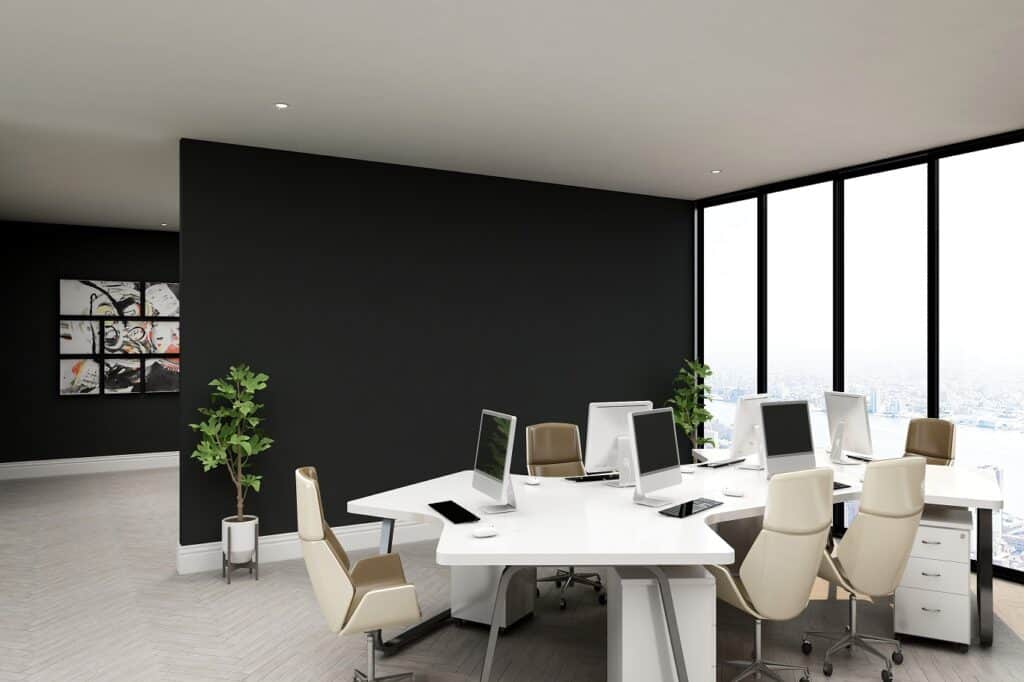
When it comes to building a successful business, Office Interior Design isn’t just about aesthetics — it’s about creating an environment that supports productivity, wellbeing, collaboration, and brand identity. Smart office design influences employee morale, reduces stress, encourages creativity, and can even improve retention rates. In this comprehensive guide, we’ll explore key principles, trends, strategies, and best practices for office interior design that delivers real results.
What Is Office Interior Design?
Office Interior Design refers to the planning, research, coordination, and management of interior spaces within a workplace. It combines art and science to create functional, safe, and beautiful work environments. Unlike residential design, office interior design must meet strict business objectives, ergonomic standards, and organizational culture needs.
At its core, office interior design addresses:
- Space planning and layout
- Furniture and fixture selection
- Lighting and acoustics
- Branding and visual identity
- Accessibility and safety compliance
- Employee comfort and wellbeing
By balancing these elements, designers help businesses transform ordinary spaces into high‑performance work environments.
Why Office Interior Design Matters
Many companies underestimate the impact of their physical work environment. Yet research consistently shows well‑designed workspaces can:
- Boost productivity: A thoughtful layout can minimize distractions and streamline workflow.
- Enhance employee satisfaction: Comfortable, attractive spaces contribute to positive workplace experiences.
- Support health and wellbeing: Ergonomic furniture and biophilic elements reduce fatigue and stress.
- Strengthen brand identity: Interiors that reflect company values leave a lasting impression on clients and staff.
- Improve collaboration: Strategic design fosters teamwork and creativity.
Good design isn’t a luxury — it’s a strategic investment in your company’s success.
Key Principles of Effective Office Interior Design
1. Space Planning & Workflow Optimization
Good space planning is the foundation of successful office interior design. It ensures the office layout supports how people work on a daily basis. A well‑planned office considers:
- Department workflows
- Circulation and movement patterns
- Balance between private and collaborative spaces
- Storage needs
For example, placing teams that frequently interact near each other enhances communication and reduces wasted time.
2. Ergonomics & Comfort
Ergonomics plays a central role in office interior design. Poor seating, improper desk heights, and bad monitor placement can lead to discomfort, fatigue, and long‑term health issues. Designers focus on:
- Adjustable chairs with proper lumbar support
- Sit‑stand desks
- Appropriate monitor height and viewing distance
- Task lighting to reduce eye strain
Prioritizing ergonomic furniture and solutions shows your employees you care about their wellbeing.
3. Lighting Strategy
Lighting significantly affects mood, focus, and even sleep patterns. A successful office interior design plan blends:
- Natural lighting: Maximizing windows and daylighting wherever possible
- Ambient lighting: General illumination throughout the space
- Task lighting: Focused light for desks and workstations
Using layered lighting helps reduce glare and shadows, which can cause eye strain and reduce productivity.
4. Acoustics & Noise Control
Open‑plan offices are popular, but they often struggle with noise issues. Effective office interior design includes acoustic solutions such as:
- Sound‑absorbing ceiling tiles
- Acoustic panels and dividers
- Strategic placement of soft furnishings
- Quiet zones for focused work
Good acoustics improve concentration, reduce stress, and foster better communication.
5. Branding Through Design
Office design should reflect your brand’s identity and values. Visual elements like color schemes, graphics, and material choices can reinforce your brand culture. Ways to integrate brand identity into office interiors include:
- Branded murals or graphics
- Signature color palettes
- Custom signage and wayfinding
- Feature walls with company mission or values
A cohesive design not only impresses visitors but also strengthens employee engagement.
6. Flexibility & Future‑Ready Spaces
The modern workplace is dynamic — roles change, teams grow, and work practices evolve. Flexible interior design accommodates growth and change through:
- Modular furniture
- Moveable partitions
- Multi‑purpose zones
- Unassigned seating or hot desking
Designing with adaptability in mind ensures long‑term value and reduced renovation costs.
Popular Office Interior Design Trends in 2026
Office interior design continues to evolve as technology, work culture, and employee expectations shift. Here are some of the top trends shaping modern workspaces:
Biophilic Design
Biophilic Design integrates natural elements into the office to enhance wellbeing. This includes:
- Indoor plants and greenery
- Living walls or vertical gardens
- Natural materials like wood and stone
- Views of outdoor landscapes
Studies show biophilic design can reduce stress and improve cognitive function.
Hybrid Work Zones
With hybrid work models becoming mainstream, office interior design now includes spaces for a variety of work modes:
- Quiet focus zones
- Collaborative hubs
- Video conferencing pods
- Lounge and social areas
This flexibility supports both in‑office and remote employees when they come onsite.
Wellness‑Centered Environments
Wellness is now a priority in design, with features such as:
- Meditation and recharge rooms
- Fitness areas or dedicated stretch spaces
- Healthy snack stations
- Hydration stations
Companies are recognizing that healthy employees are more productive and engaged.
Sustainable & Eco‑Friendly Interiors
Sustainability is more than a trend — it’s a responsibility. Eco‑conscious office interior design focuses on:
- Recycled and low‑VOC materials
- Energy‑efficient lighting
- Sustainable furniture
- Waste‑reduction strategies
Green offices appeal to both employees and environmentally conscious clients.
Practical Office Design Ideas for Different Workspaces
Open‑Plan Offices
Open‑plan layouts encourage transparency and interaction but should be balanced with:
- Designated quiet areas
- Acoustic solutions
- Defined circulation paths
Use color and furniture to create natural boundaries without closing off spaces.
Private Offices & Executive Suites
Even in open offices, private spaces are essential for focus, leadership meetings, or confidential work. For these areas, consider:
- Soundproofing
- Personal lighting control
- Comfortable guest seating
- Storage solutions that combine form and function
Break Rooms & Cafeterias
Break spaces should be inviting and comfortable. Good design here includes:
- Café‑style seating
- Soft lounges
- Flexible tables for team lunches or informal meetings
- Access to natural light
Well‑designed break rooms boost morale and encourage social connection.
Meeting & Conference Rooms
Meeting rooms are high‑traffic areas that require attention to:
- AV technology integration
- Flexible table layouts
- Writable walls or digital whiteboards
- Comfortable seating
Design for versatility — rooms that can host presentations, workshops, or collaborative sessions.
How to Approach an Office Interior Design Project
Step 1: Define Goals & Budget
Before starting, clarify:
- Project objectives
- Brand values to express
- Budget limits
- Timeline expectations
This foundation ensures the design supports business priorities.
Step 2: Conduct a Needs Assessment
Understand how people work in your current space:
- What functions are missing?
- Where do bottlenecks occur?
- What feedback are employees giving?
Surveying employees helps you design spaces people will love.
Step 3: Work With Professionals
Hiring a professional office interior design team brings expertise in:
- Space planning
- Materials and finishes
- Construction coordination
- Health and safety compliance
Experienced designers help you avoid costly mistakes.
Step 4: Implement & Evolve
After installation, monitor how well the space performs:
- Are employees using new zones effectively?
- Is collaboration improving?
- Are there unforeseen issues?
Adjustments over time ensure continued value.
Final Thoughts: Office Interior Design as a Strategic Asset
Modern Office Interior Design goes beyond decorating walls. It’s a strategic endeavor that enhances productivity, boosts morale, and reinforces your brand. By focusing on ergonomics, lighting, acoustics, flexibility, and employee wellbeing, businesses can create inspiring work environments that attract top talent and support long‑term success.
Whether you’re renovating an existing space or building a new headquarters, thoughtful office interior design helps you unlock the full potential of your workspace.