
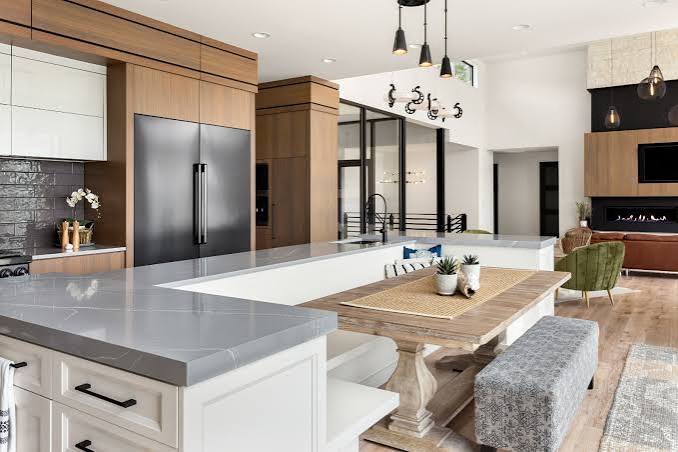
Selecting materials for an interior project involves more than choosing an attractive color or finish. Homeowners, architects, builders, and designers also consider durability, maintenance, design flexibility, and environmental factors when evaluating surface materials. Eco friendly quartz surfaces can address these considerations by combining the visual appeal of engineered stone with practical features suited to modern residential and commercial spaces.
From kitchen countertops and bathroom vanities to hospitality settings and commercial interiors, quartz surfaces offer a refined and consistent appearance. Their engineered composition provides a wide selection of colors, patterns, and finishes, allowing quartz to complement a variety of interior styles and project requirements. Hyundai L&C offers engineered surface solutions that can support these design and performance considerations across different interior applications.
What Makes Eco Friendly Quartz Surfaces a Consideration for Sustainable Design?
Sustainable interior design involves more than selecting products marketed as environmentally friendly. Material longevity, maintenance requirements, manufacturing considerations, and the expected lifespan of a product can all influence a project’s overall environmental impact.
Eco friendly quartz surfaces can be considered within this broader approach because durable materials may remain functional and visually appealing for extended periods. When a surface performs well over time, replacement may not be required as frequently, helping support longer-lasting interior installations.
Engineered quartz also offers consistency that can be useful when planning a project. Unlike natural stone, which can vary considerably from slab to slab, manufactured quartz is produced to achieve a more controlled appearance. This can make it easier to coordinate countertops, islands, vanities, backsplashes, and other surface applications.
The Role of Quartz in Modern Interior Design
Quartz has become an established surface option for contemporary interiors because it can accommodate both practical and aesthetic requirements. A kitchen, for example, may require a countertop that complements cabinetry while remaining suitable for regular household activity. A commercial space may require surfaces that contribute to a polished appearance without creating excessive maintenance demands.
The versatility of quartz allows it to work across a range of design styles, including:
- Minimalist kitchens with clean, neutral surfaces
- Contemporary bathrooms with coordinated vanity tops
- Commercial reception areas requiring a refined appearance
- Hospitality interiors designed around distinctive visual themes
- Residential spaces combining natural-inspired patterns with modern materials
The variety of available designs also allows quartz to imitate the appearance of natural stone while providing the consistency associated with engineered surfaces. Marble-inspired veining, concrete-like patterns, subtle solid colors, and other decorative effects can be incorporated into different interior concepts.
Durability Can Support Long-Term Material Choices
One important consideration when selecting an interior surface is how well the material is expected to perform under everyday use. Replacing damaged or outdated surfaces can require additional materials, labor, transportation, and installation work.
Quartz surfaces are engineered with durability in mind, making them suitable for applications where surfaces experience regular use. Kitchens and bathrooms, for example, can expose countertops and vanity surfaces to moisture, spills, cleaning routines, and frequent contact.
Long-term performance should still be evaluated according to the specific product and application. Installation requirements, manufacturer recommendations, maintenance instructions, and appropriate use all contribute to the expected performance of a surface.
For projects focused on sustainable design, considering the complete service life of a material can therefore be just as important as examining its appearance.
Low-Maintenance Surfaces for Everyday Spaces
Maintenance is another factor worth considering when evaluating interior materials. Surfaces that are easier to clean and maintain can contribute to efficient day-to-day care, particularly in busy homes and commercial environments.
Many engineered quartz surfaces feature a non-porous surface structure. This characteristic can make routine cleaning more straightforward and can help prevent liquids from readily penetrating the surface. Proper cleaning procedures should always follow the manufacturer’s recommendations to protect the finish and maintain the material’s appearance.
For homeowners, simplified maintenance can make everyday kitchen and bathroom care more convenient. For businesses, easy-to-maintain surfaces can also be useful in spaces where cleanliness and presentation are important.
The result is a material choice that considers not only the initial installation but also what happens after the project is completed.
Eco Friendly Quartz Surfaces and Design Flexibility
Sustainable materials do not have to compromise design possibilities. Modern interiors often require surfaces that can coordinate with cabinetry, flooring, lighting, fixtures, wall colors, and architectural details.
Eco friendly quartz surfaces can provide design flexibility through different shades, patterns, textures, and finishes. This makes it possible to create either subtle backgrounds or visually prominent focal points depending on the goals of the project.
For example, a neutral quartz countertop can provide a simple foundation for bold cabinetry and decorative fixtures. Alternatively, a heavily veined quartz design can become a focal feature in an otherwise understated kitchen.
This flexibility can be especially valuable when designing spaces intended to remain visually relevant for years. Rather than selecting a surface based solely on a short-lived trend, designers can consider how the material will interact with the complete interior concept.
How to Select Quartz for a Sustainable Interior Project
Choosing the right surface requires more than selecting a preferred color. Several factors should be considered before ordering material.
1. Consider the Intended Application
Start by determining where the surface will be installed. Kitchen countertops, bathroom vanities, commercial counters, and other applications may have different functional requirements.
Understanding the environment helps narrow down suitable products and ensures that the selected material is appropriate for the intended use.
2. Evaluate Durability and Performance
Review the product’s technical characteristics and manufacturer recommendations. Consider expected daily use, cleaning requirements, exposure to moisture, and other conditions that may affect surface performance.
A material that matches the requirements of its intended application can provide better long-term value.
3. Review Maintenance Requirements
Every surface material has specific care requirements. Before choosing a quartz product, review recommended cleaning methods and determine whether they fit the maintenance routine expected for the space.
This is particularly relevant for kitchens, bathrooms, hospitality environments, and commercial areas that require regular cleaning.
4. Look Beyond Current Design Trends
Color and pattern are important, but a surface should also work with the broader interior design. Consider cabinetry, flooring, wall treatments, hardware, lighting, and furniture before making a final selection.
A versatile design can remain compatible with future interior updates, potentially extending the practical and visual lifespan of the installation.
5. Research the Manufacturer
The manufacturer is an important part of the material selection process. Look for established surface specialists that provide detailed product information, care guidance, technical specifications, and design options.
Reliable product information allows architects, designers, contractors, and homeowners to make decisions based on the actual characteristics of the material rather than appearance alone.
Quartz Surfaces for Kitchens and Bathrooms
Kitchens and bathrooms are among the most common areas where engineered quartz can make a practical design statement. Both spaces combine visual requirements with frequent everyday use, making surface selection particularly important.
In kitchens, quartz can be used for countertops and islands to create a coordinated appearance. A carefully selected pattern can complement cabinetry while providing a durable work surface for everyday activities.
Bathrooms offer another opportunity to use quartz in vanity applications and other interior surfaces. Coordinating the countertop with wall finishes, cabinetry, flooring, and fixtures can create a cohesive appearance without relying on excessive decorative elements.
The specific suitability of any quartz product depends on its technical specifications and the manufacturer’s recommended applications.
Why Material Longevity Matters in Sustainable Interiors
Sustainable design is often discussed in terms of materials and manufacturing, but longevity deserves equal attention. A product that continues serving its intended purpose for many years can reduce the need for premature replacement.
This is particularly relevant for permanent interior elements such as countertops and built-in surfaces. Replacing these components can involve removing the existing material, preparing the area, transporting new products, and completing another installation.
Choosing a durable surface from the beginning can therefore support a longer-term approach to interior planning. It also allows design decisions to focus on functionality and lasting appeal rather than frequent replacement.
For this reason, sustainable material selection should consider the complete lifecycle of a product rather than relying on a single environmental characteristic.
The Future of Sustainable Surface Design
As expectations around interior materials continue to evolve, surface manufacturers are responding with products that address changing design and performance requirements. Sustainability, durability, aesthetics, hygiene, maintenance, and material efficiency are increasingly considered together rather than as separate concerns.
For architects and designers, this creates opportunities to specify surfaces that meet multiple project requirements at once. For homeowners, it provides more options when looking for materials that combine contemporary styling with practical performance.
Eco friendly quartz surfaces fit into this wider movement toward thoughtful material selection. They can provide the appearance and versatility needed for modern interiors while allowing sustainability to be considered alongside durability and long-term usability.
Making a Thoughtful Surface Selection
Selecting an interior surface should begin with the needs of the space. Consider how the material will be used, how often it will require maintenance, how it will coordinate with the surrounding design, and how long it is expected to remain in service.
Quartz can offer a combination of design versatility and engineered performance that suits a wide variety of applications. When sustainability is part of the project’s priorities, evaluating durability, maintenance, product information, and manufacturer practices can help create a more informed material-selection process.
Conclusion
Modern interior design increasingly calls for materials that balance appearance, performance, maintenance, and responsible decision-making. Eco friendly quartz surfaces provide an option for projects where these considerations need to work together without sacrificing design flexibility.
From residential kitchens and bathrooms to commercial and hospitality environments, quartz can support a range of applications through its variety of colors, patterns, and finishes. By considering the intended application, durability, maintenance requirements, design longevity, and manufacturer information, property owners and design professionals can make more informed surface decisions.
Hyundai L&C provides engineered surface solutions designed for contemporary interior applications, giving designers and homeowners access to materials that